Trigger warning: The following case study discusses domestic violence and highlights solutions designed to support survivors. While the primary focus is on the development of supportive resources, the context of domestic violence may still be distressing for some readers. Please prioritize your well-being while reading.

My role

Product design
User research
Visual design

Collaborators

Kirtana Kannan
Ruchira Biswas
Mia He

Timeline

4 weeks

Mentor

Pia Zaragoza
Background
Challenges Faced by Domestic Violence Survivors: Legal Aid and Employment Impact

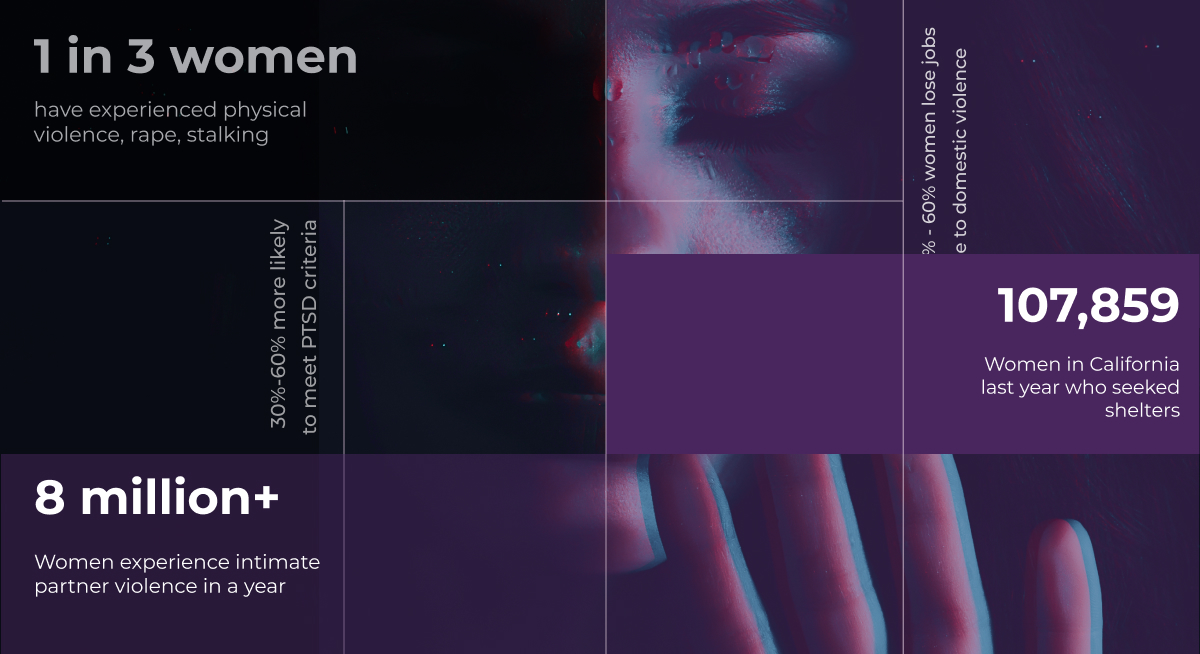
Each year, more than 8 million women encounter intimate partner violence, and last year, 107,859 sought refuge in California. Only 11% of shelters provide legal assistance, while 20-60% of survivors face job loss.
As part of my Foundations class at California College of the Arts, my teammates and I collaborated on this project, combining our skills and insights to create a meaningful solution for domestic violence survivors.

Overview of Solution
Interactive Self-Help Kiosk for Shelter Survivors

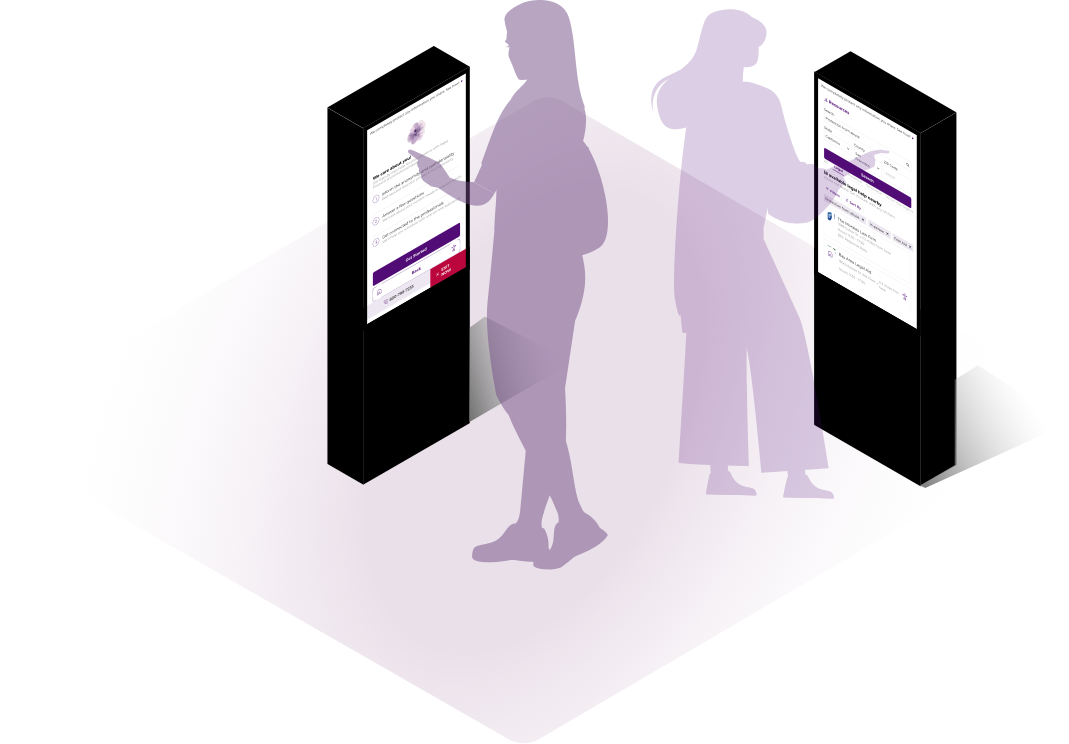
To empower survivors in shelters, we designed a self-help kiosk that can be installed where they can check in daily or weekly, depending on their needs. This kiosk supports them with financial, legal, and emotional assistance, offering a more interactive, intuitive, and accessible check-in process.

Jump to solution
Core of Leap: Empowering survivors

The kiosk enables survivors to seek support privately, allowing shelters to allocate resources efficiently without relying on the limited availability of case managers.
Constraints
Streamlined design process: Prioritizing Key Features

Given the short 4-week timeframe of this project, our focus was on efficiently prioritizing tasks. We concentrated on designing the digital interface of the kiosk, with initial exploration into its physical design. Our efforts were primarily directed towards user introduction, available resources, and interaction methods within this timeframe. This was the sequence of our complete design process from research till design.

How did we get to the solution?
Research and Survivor interviews

After conducting secondary research on women's shelter physical layouts and websites and delving into trauma-informed principles, our team proceeded to conduct 4 interviews combined with concept testing with expert/survivors working in the social sector.


Expert Interview 

Over 20 years in social impact design, developed a project on sexual trafficking awareness.

Shelter Manager Interview

7 years as a case manager and shelter head, supporting survivors across various categories.

Expert/ Survivor Interview

Over 10 years working with domestic violence survivors, with a background in psychology and teaching trauma-informed design.

Expert Interview

13 years in India's social sector, focused on youth and gender rights, with a law background and a Master’s in Social Design.
Research Synthesis
Key Insights from Survivor Interviews

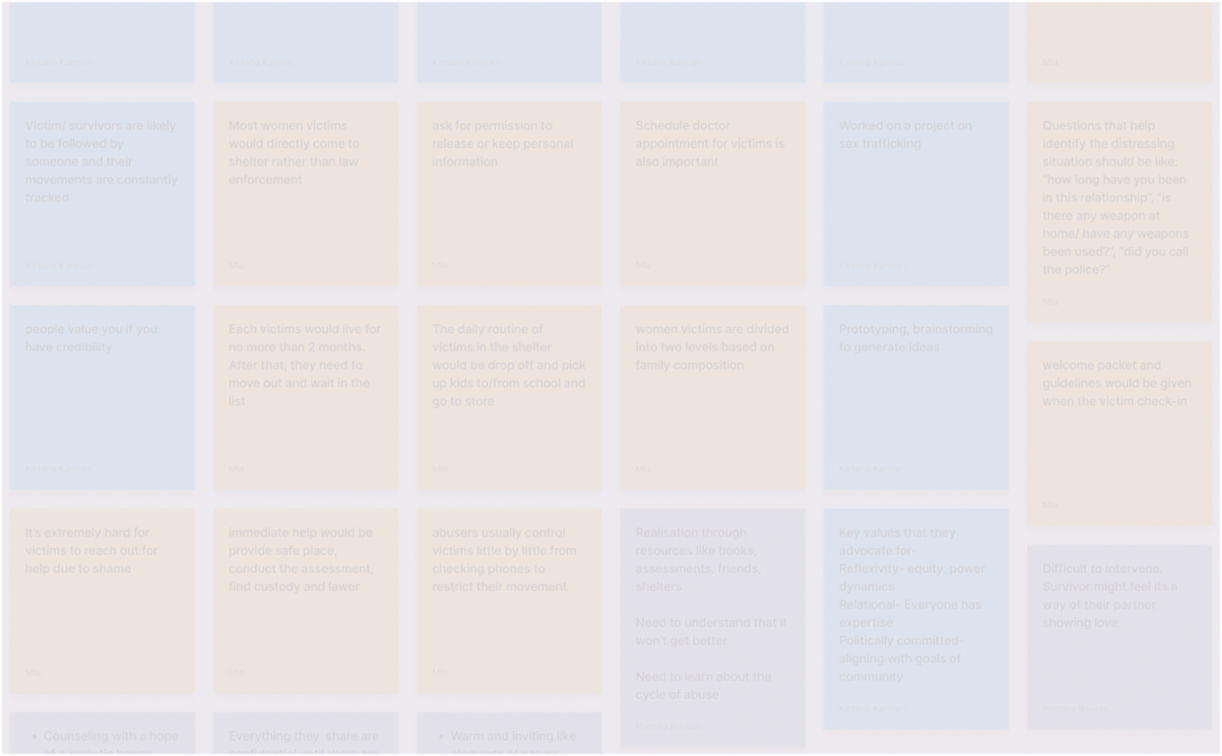
We synthesized our findings from the interviews through affinity mapping, identifying key commonalities and insights.

Concept Exploration
Kiosk and Mobile Touchpoint Solutions

We explored multiple concepts focused on providing support and identifying signs of abuse, using expert feedback and concept testing to validate their feasibility.
Exploration 1
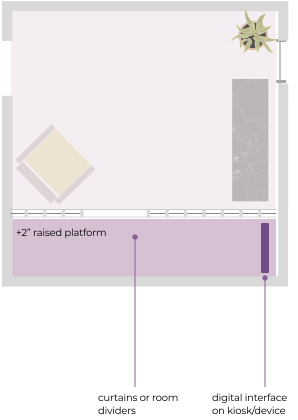
Digital Kiosk to assist women legally, financially and emotionally,  inside a shelter.
Exploration 2
Digital Kiosk to identify warning signs of abuse inside women’s restroom stalls.
Validation from tests
We did more expert interviews and hallway tests to validate the feasibility of two explorations.

How might we develop a supportive framework that honors survivors' autonomy in their decision-making regarding recovery resources?

Design Process
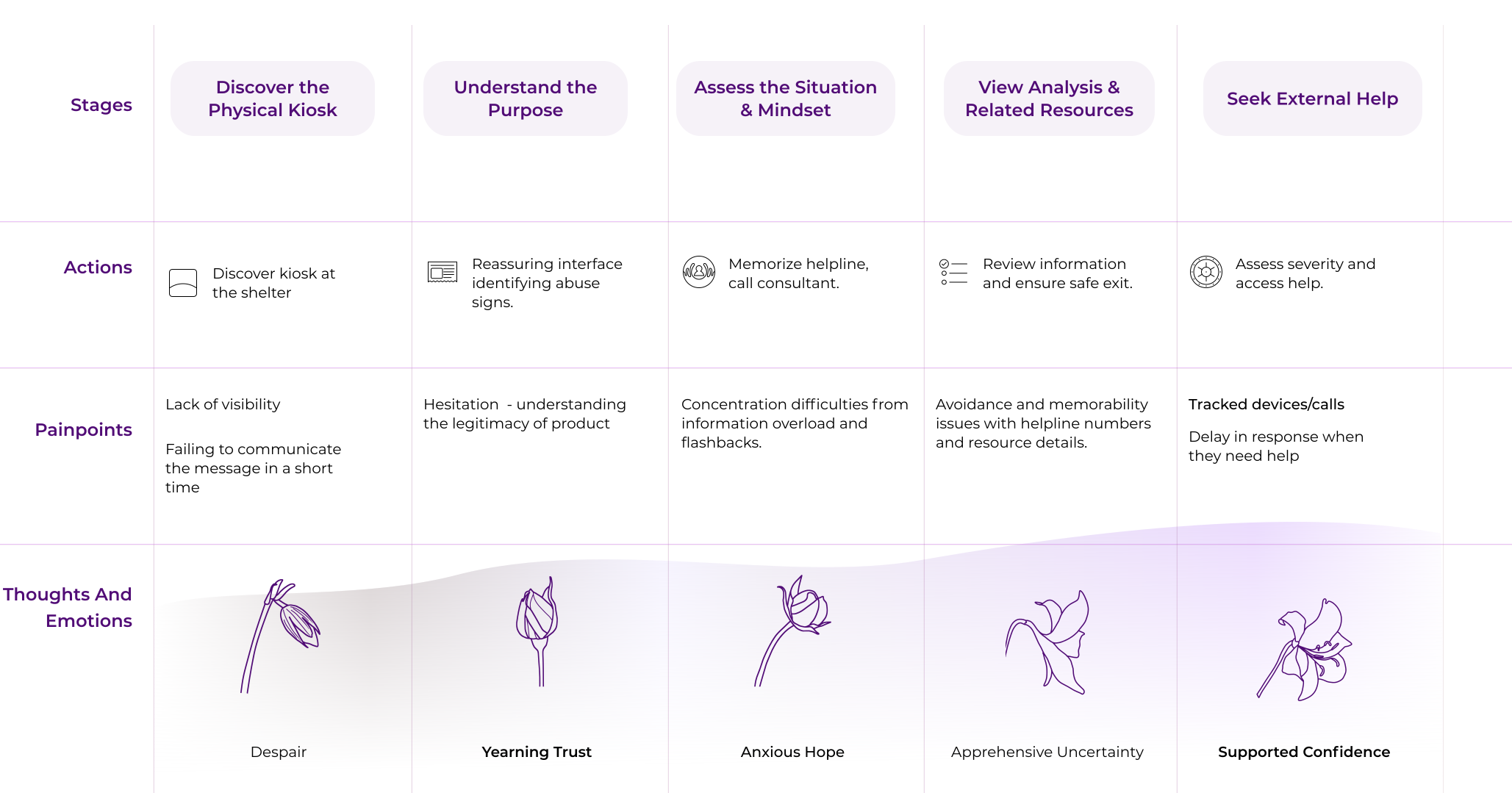
Journey of a Survivor

Detailed solution

Easy Access Support

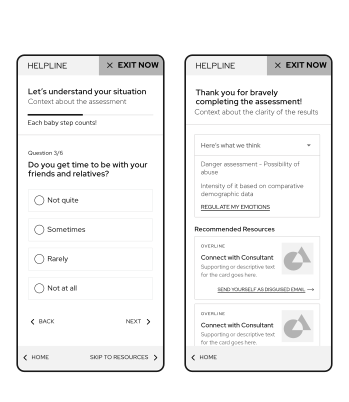
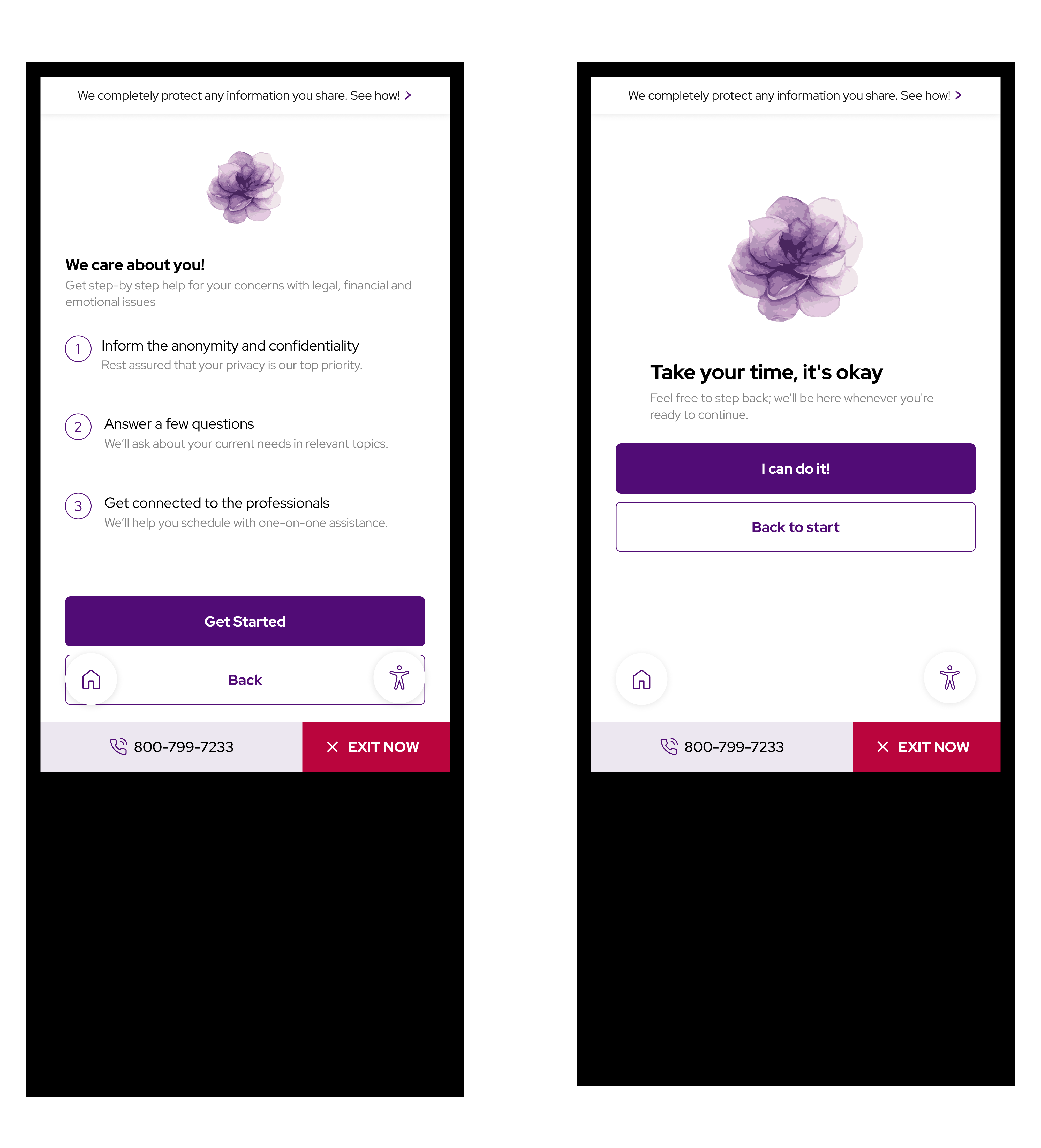
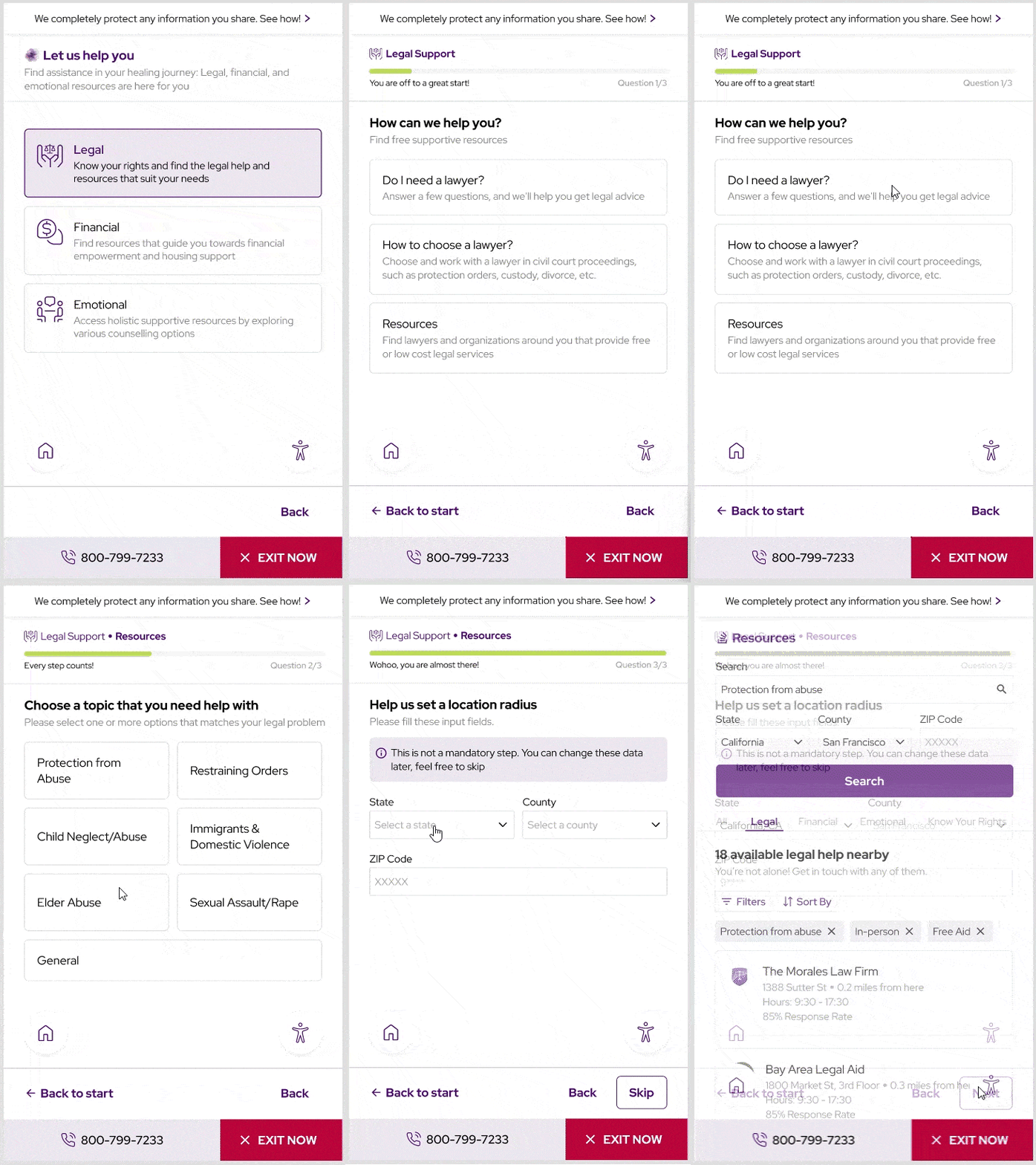
When users approach the kiosk, they see subtle visuals and a clear explanation of legal, financial, and emotional resources. They can either access resources directly or navigate through options by answering a few questions. A prominent "Exit Now" button allows users to leave the process discreetly if needed.

Yearning Trust
Anxious Hope
Legal Resources for Survivors

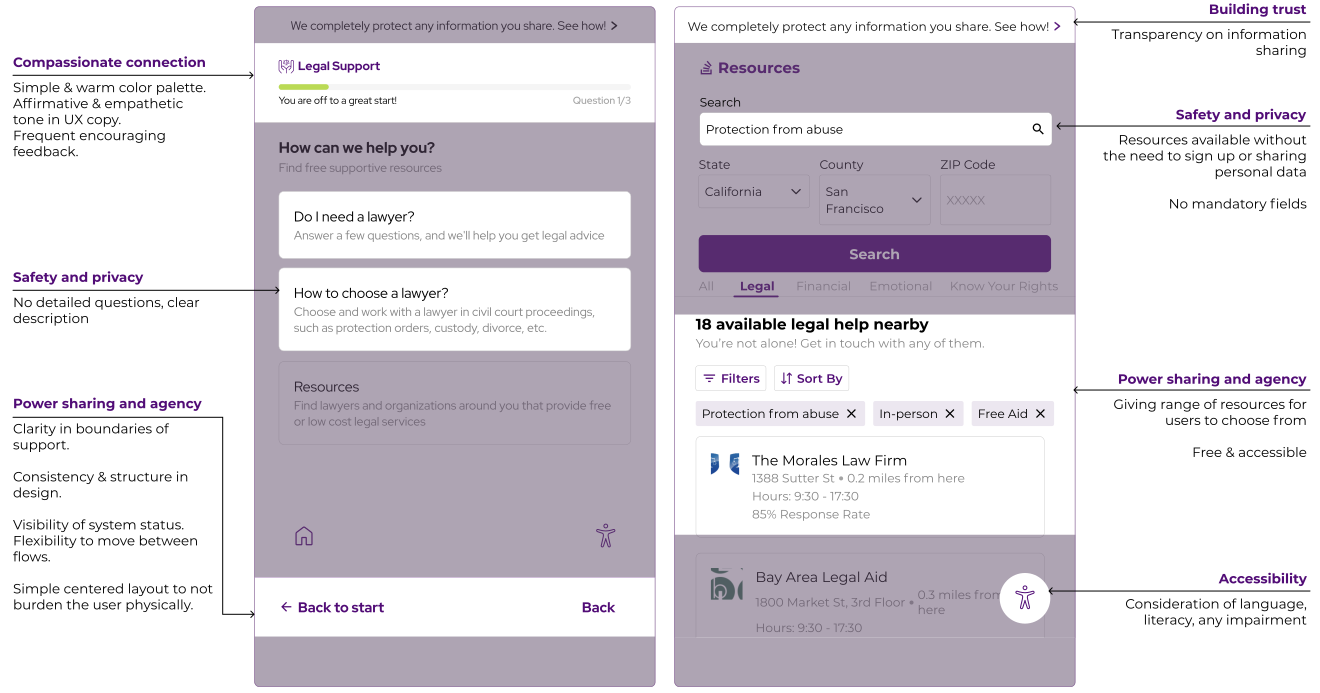
Opting for 'legal' allows survivors to evaluate their needs and access pertinent resources, including legal agencies specializing in areas such as 'protection from abuse' or 'restraining orders' within the 'resources' section.

Supported Confidence
Easy Access Support

After viewing the resource list and making a selection, users can explore details and send messages directly from the kiosk, eliminating the need for a mobile phone.

Supported Confidence

Comprehensive Resource Access for Survivors: Emotional and Financial Support

Survivors can access emotional resources (therapy, counseling, and quick relaxation exercises) and financial resources (job training, safe banking) in a manner similar to finding legal resources.

Future explorations

Deeper collaboration with survivors

Reflecting on the project, I see the importance of involving survivors more closely during the design phase to ensure the solution aligns with their needs and experiences.

Refining Touchpoints

Incorporating additional feedback mechanisms and exploring both physical and digital touchpoints can expand the platform’s reach and effectiveness.

Innovative resource-sharing methods

We can create safe, discreet ways for users to share resources, such as using disguised emails, and continue researching touchpoints that support a broader implementation.

My learnings

This project introduced me to Trauma-Informed Design, enhancing my ability to conduct interviews with sensitive user groups and design realistic scenarios. My teammates, Ruchira Biswas and Mia He, emphasized the importance of creating a thoughtful discussion guide and making design choices that balance sensitivity with aesthetic appeal.

Next: Sift